

Five Stages, No Shortcuts, No Machines
That Matter
This Is How A Sheet Of Century Papers Paper Comes Into Existence From Raw Cotton Waste To A Finished Sheet Ready To Hold Ink, Carry Seeds, Or Bind Into A Journal. Every Step Is Described Exactly As It Happens In Our Sanganer Workshop.
STAGE 1
Fibre Sourcing and Selection
We source post-consumer cotton textile waste hosiery offcuts, fabric remnants, and clean plant fibres. Nothing virgin. Nothing synthetic. The quality of the raw material determines the character of the finished sheet, so sourcing is not an administrative task for us. It is a craft decision.
Cotton-rag paper has been made this way since the earliest days of papermaking in India. It produces a sheet that is stronger, more durable, and more beautiful than wood-pulp paper and it does so by reclaiming waste material that would otherwise be discarded. The environmental logic is built into the process itself, not added afterwards.
We do not use virgin tree pulp in our paper. We never have.

STAGE 2
Pulping and Colour
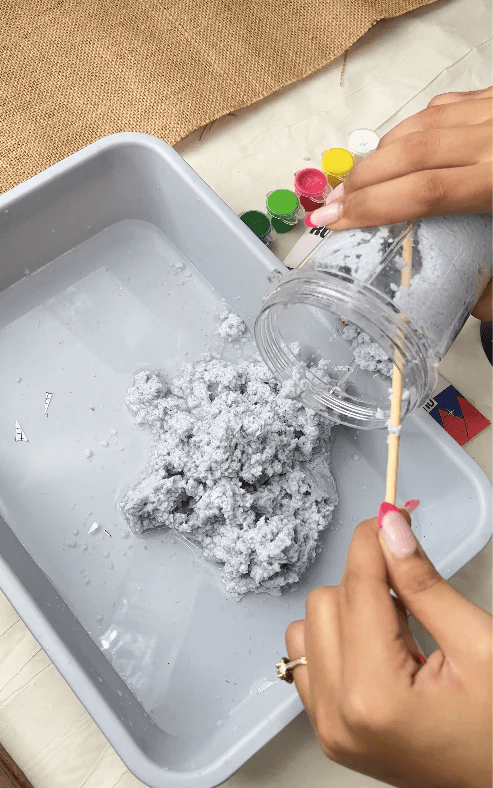
Cleaned fibres are thoroughly soaked, then beaten to a fine, homogeneous slurry using traditional beating methods. For coloured papers, natural mineral pigments or botanical dyes are blended into the pulp at this stage.
We do not use optical brighteners. We do not use chemical bleach. The colour that results from our process is natural, varied, and characteristic of handmade paper it deepens and mellows beautifully with age rather than fading or yellowing as chemically treated paper does.
Colour consistency in handmade paper is inherently approximate — small variations between sheets and batches are a mark of authenticity, not a flaw. Buyers who understand handmade goods understand this. Those who need machine-perfect colour consistency belong in a different supply chain.
STAGE 3
Mould and Deckle Forming
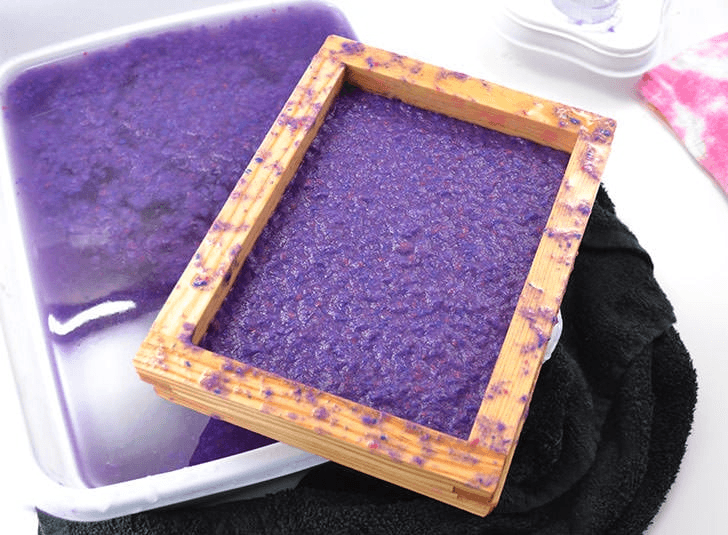
The mould and deckle is the defining tool of the handmade papermaker. The mould a wooden frame with a mesh screen is submerged into the vat of prepared pulp slurry. The deckle a frameless border sits on top to contain the pulp.
A skilled artisan submerges the mould into the vat, lifts it level in a single smooth motion, and holds steady while the water drains through the mesh, depositing an even layer of fibre across the screen. This moment the lift and the drain is entirely human. No robot performs it with the sensitivity it requires. The quality of this step determines the evenness, texture, and weight of the finished sheet.
The deckled edge that characteristic feathered border on handmade paper is not a decorative treatment applied after the fact. It is the direct physical consequence of the pulp running against the edge of the deckle frame during the lift. It is the most visible sign that a sheet was made by hand.
STAGE 4
Sun Drying and Pressing
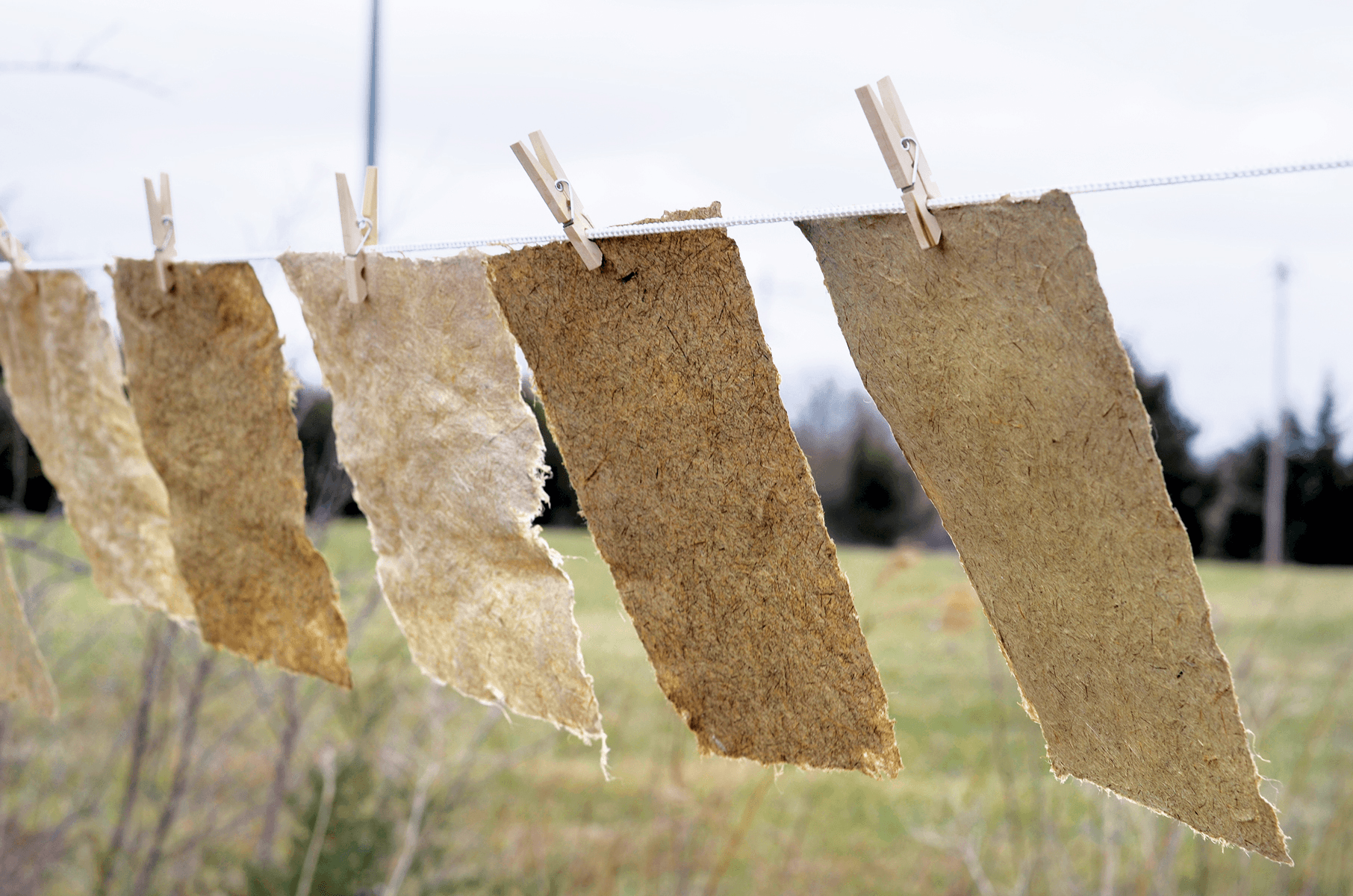
Once the sheet is formed on the mould, it must be transferred to a drying support a process called couching. Couched sheets are stacked between felts and cold-pressed to remove excess water, then transferred to sloped drying boards and set out in open air.
Sanganer's geography is essential to this stage. The town's dry heat, low humidity, and consistently strong sunlight produce a natural, surface-hardened finish that is unique to this place. It is not reproducible in a factory environment. The resulting surface has a specific tactile quality slightly resistant, warm, and alive that photographers, artists, calligraphers, and bookbinders recognise immediately.
We use no artificial heat. No electricity is consumed in drying. The sun does what the sun has always done here.
STAGE 5
Finishing and Quality Check
After drying, each sheet is individually inspected. We look for evenness of formation, correct weight, clean edges, and surface quality appropriate to the sheet's intended use.
Sheets that pass inspection are calendered if required a light pressing process that adjusts surface smoothness and sized for writing or printing use if specified.
Rejected sheets are returned to the pulp vat and remade. Nothing goes to waste. The reject rate is low, because the skill of our craftspeople is high but the standard is not negotiable.
Only sheets that meet our standard leave the workshop.
Special Product Techniques
Beyond the Basic Sheet Specialist Processes
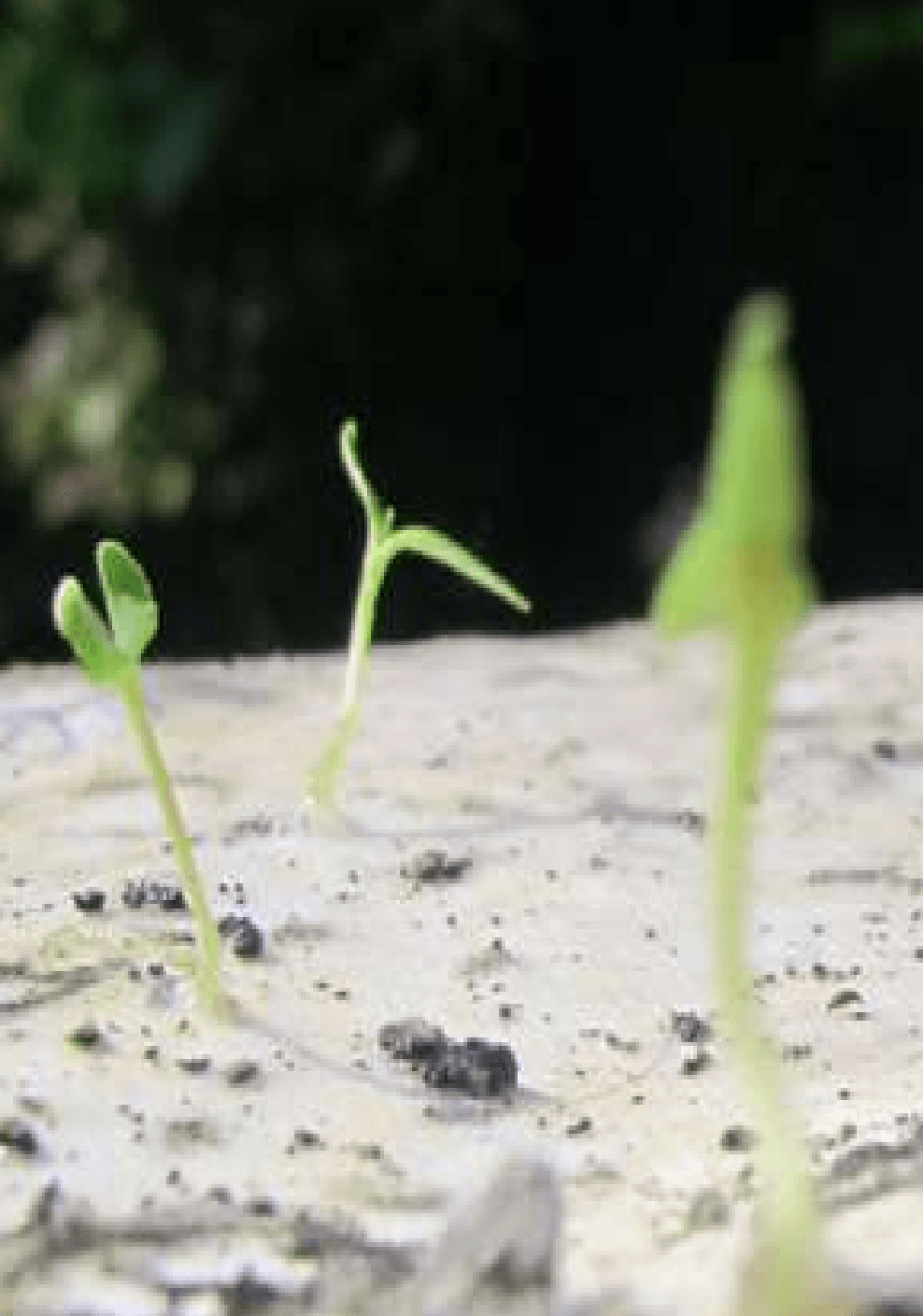
Seed Embedding
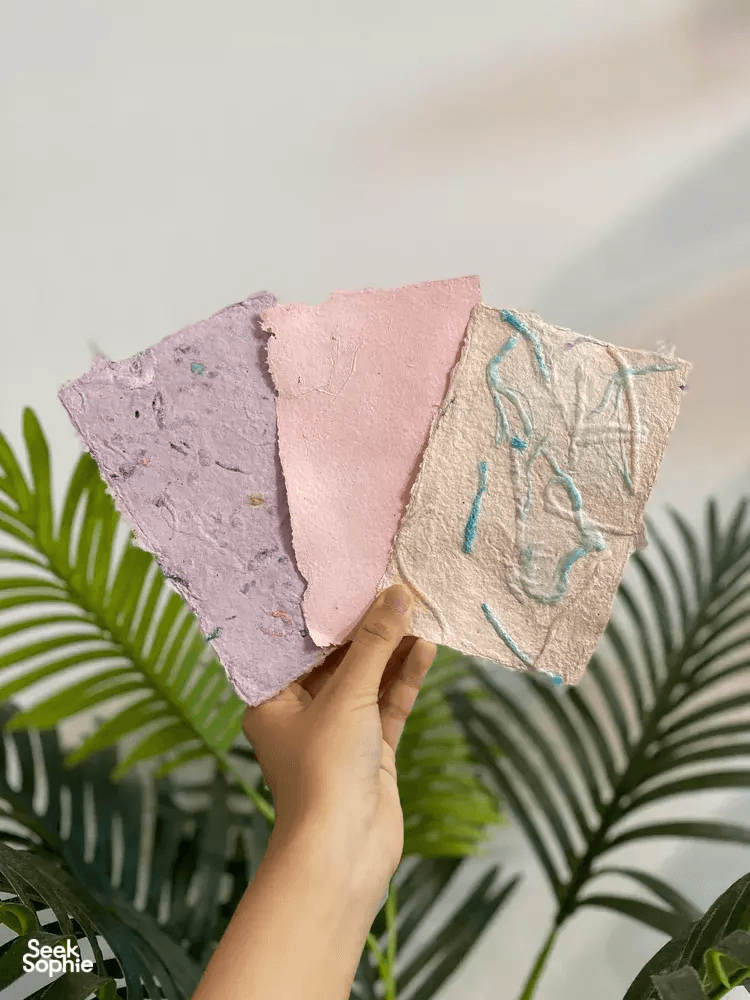
For plantable seed paper, seeds are introduced into the pulp slurry during the forming stage or applied to the surface of a freshly formed sheet before drying.
Seed distribution must be even enough to ensure germination but sparse enough not to compromise the paper's structural integrity.
We have refined our seed paper technique across multiple crop types wildflowers, herbs, vegetables, and specialty botanical varieties.
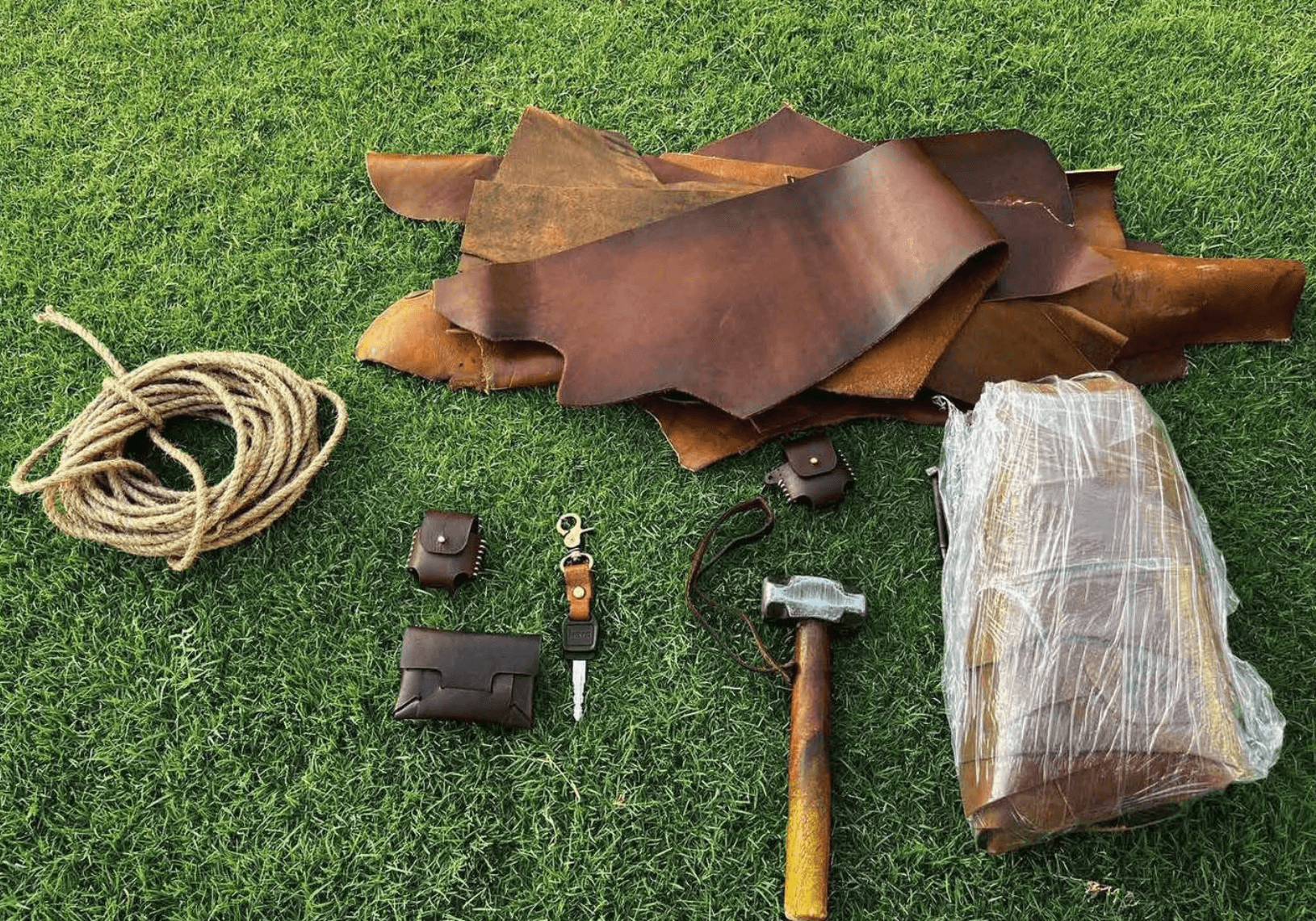
Leather Working
Our leather goods are produced using vegetable-tanned leather a natural tanning process that uses plant-derived tannins rather than chromium or synthetic chemicals.
Veg-tanned leather ages characterfully, developing a patina that improves with use.
All stitching is done by hand using saddle-stitch technique, which is stronger and more repairable than machine stitching.
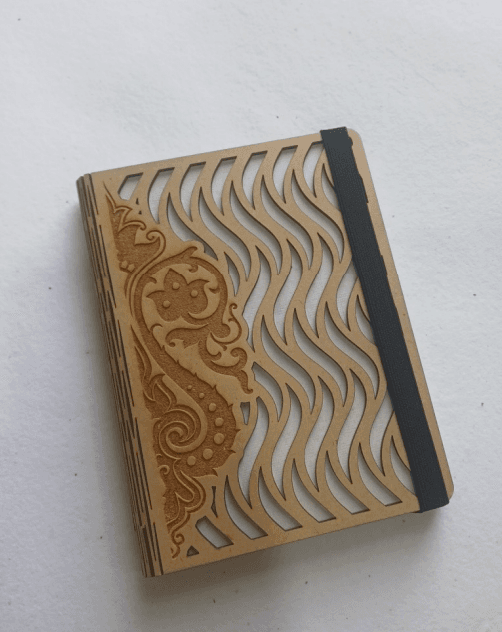
MDF Laser Engraving
Our MDF lampshades and journal covers are made from PINE MDF a material composed of waste wood powder and waste paper, making it a significantly more sustainable alternative to solid timber.
Designs are cut and engraved using laser technology.
The precision of the cut contrasts directly with the warmth of the cord and leather elements it is paired with.
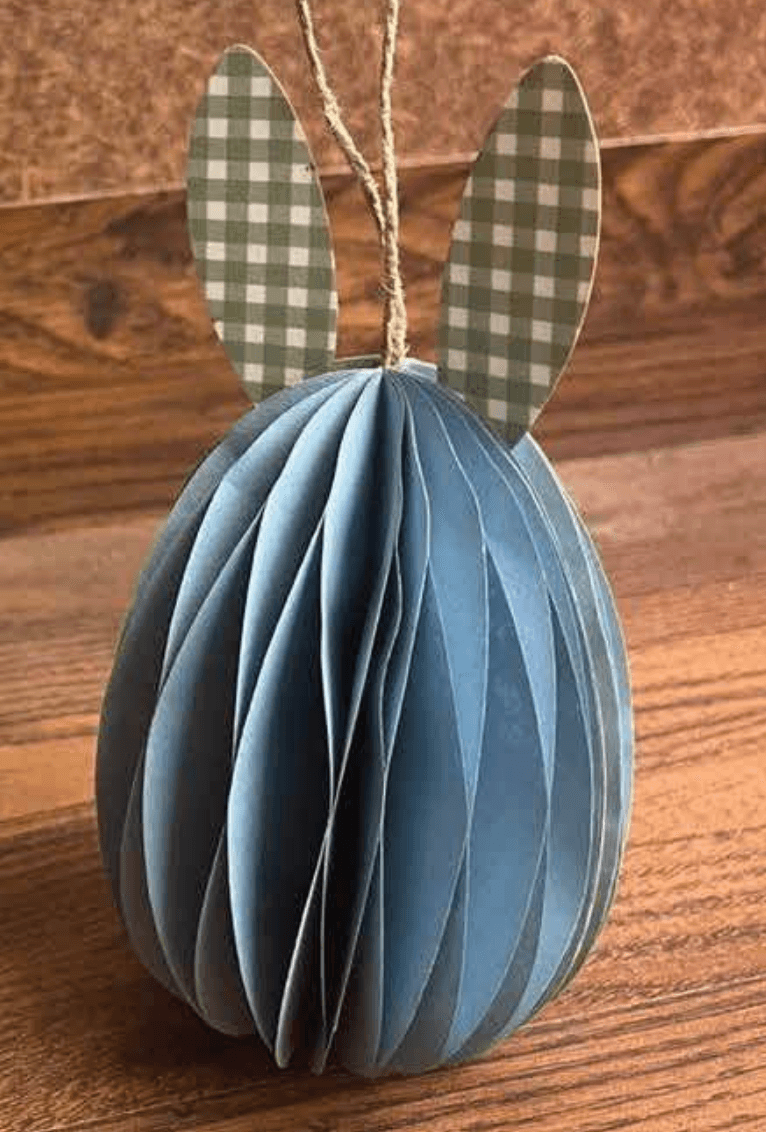
Paper Honeycomb Construction
Honeycomb paper décor is produced by gluing and folding individual sheets of coloured paper into a concertina structure that opens into a three-dimensional form.
The process is entirely manual. Precision in folding is essential errors in alignment compound through the stacking and become visible when the piece is opened.
Our decorative honeycomb range spans 36 distinct shapes and 9 sizes.